




Sign in

Wishlist
0

Cart
Updated May 2026
So you've heard about raw feeding. Maybe your dog has been scratching more than usual, or their coat has lost its shine. Maybe a friend swears their dog is a completely different animal since switching. Whatever brought you here, you're asking the right questions — and you've come to the right place.
At Bark & Bone in Carmel, Indiana, helping dog parents navigate the world of natural nutrition is one of our favorite things to do. We carry some of the best raw and freeze-dried diets available — brands like Green Juju and Solutions Pet Products — and we've helped hundreds of families in Carmel, Westfield, Zionsville, Fishers, and Noblesville make the switch. Here's what you need to know to get started.
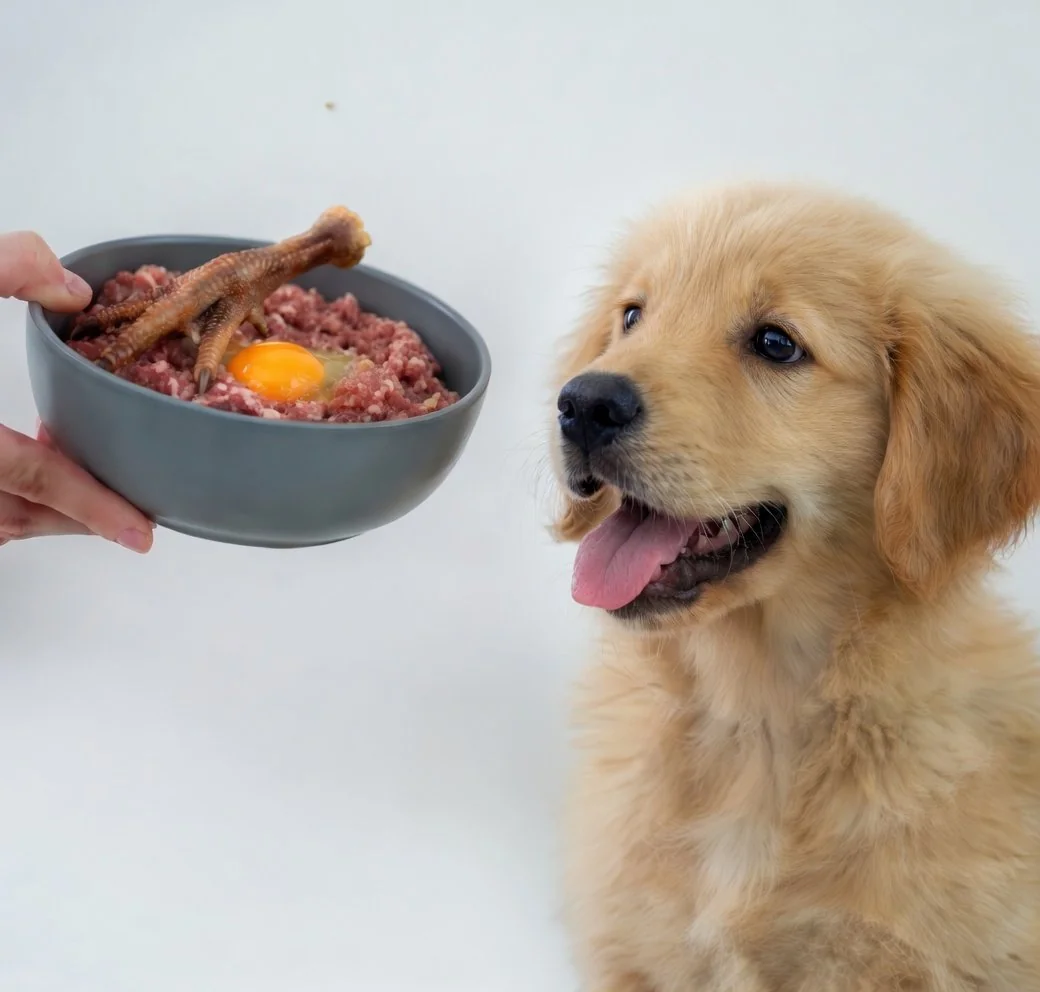
Raw feeding is exactly what it sounds like: feeding your dog a diet built from minimally processed, whole-food ingredients — raw meats, organ meats, raw bone, and sometimes nutrient-dense produce — instead of the highly cooked, heavily processed kibble that's dominated pet store shelves for decades.
The philosophy behind it is simple. Dogs evolved eating prey animals. Their digestive systems are built for protein and fat-dense whole foods, not corn, soy, and synthetic vitamin packets. Raw feeding aims to put your dog's diet closer to what their biology actually expects.
One thing the original guides often leave out: raw feeding doesn't mean you have to handle pounds of raw meat every day. There are three main formats, and each has its place.
No rule says you have to choose one. Many of our customers rotate formats based on the week, the trip, or their budget — and that's perfectly fine.
We see the results in our customers' dogs every week. Here's what raw feeding is known for:

Hot spots. Paw licking. Chronic ear infections. Belly rashes. If you're Googling “why does my dog keep licking their paws,” you're not alone — and the answer is often not what you expect.
These symptoms are commonly blamed on allergies to grass, pollen, etc. While those can contribute, food is one of the most frequent and overlooked culprits. Many commercial dog foods - contain meat byproducts, corn, rice, wheat, soy, and synthetic additives. Years of the same proteins and fillers can trigger an immune response. The itching and inflammation you see outside is often a sign of what's happening inside.
A limited-ingredient raw diet is frequently the game-changer. Built around single whole-prey proteins with no fillers, raw makes it much easier to identify and remove your dog’s triggers.
At Bark & Bone, we carry a variety of limited-ingredient diets. If your dog struggles with recurring skin issues, come talk to us.
Most healthy adult dogs can switch to raw relatively quickly. For senior dogs, dogs with GI sensitivities, or those on medications, a slower transition is the way to go. Here's the schedule we recommend:
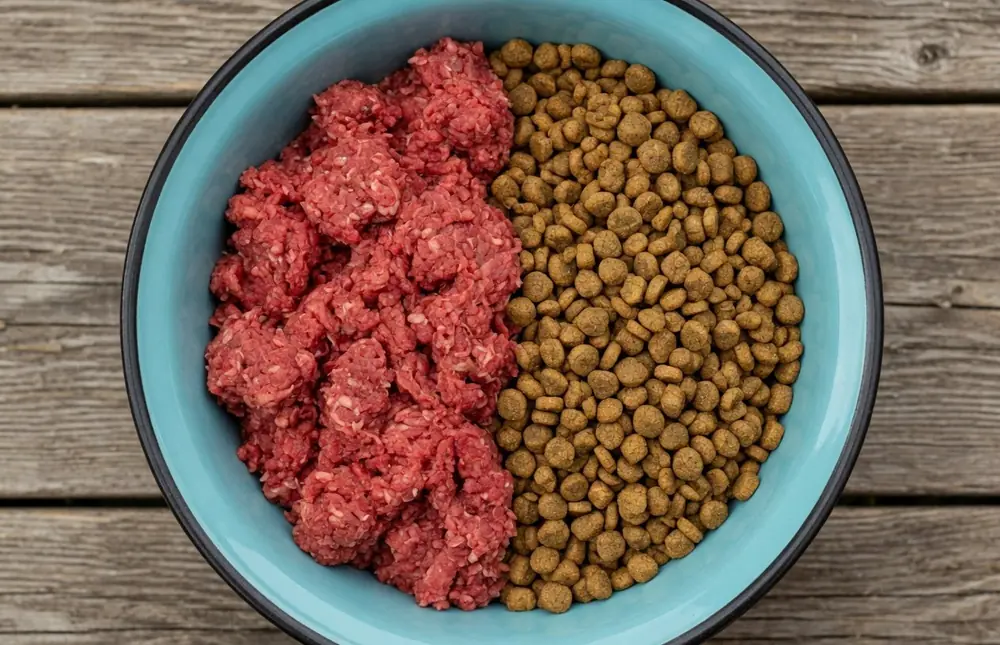
Goat's Milk
If there's one thing we tell almost every raw-curious customer, it's this: start with goat's milk. Raw goat's milk is naturally rich in probiotics, prebiotics, and digestive enzymes that support your dog's gut microbiome — which means a smoother transition and better long-term digestion. It's also high in moisture, healthy fats, and easy-to-absorb vitamins and minerals.
Add it to your dog's bowl as a transition aid, a daily topper, or just a treat, your dog will thank you.
Bone Broth
Bone broth is another powerhouse worth adding to your dog's bowl. Made from slow-simmered bones, it's rich in collagen, glucosamine, chondroitin, and amino acids that support joint health, gut lining integrity, and immune function. It's also an easy way to rehydrate freeze-dried food and add a flavor boost most dogs can't resist. Look for options with no added salt or onion — we carry dog-specific versions at the store.
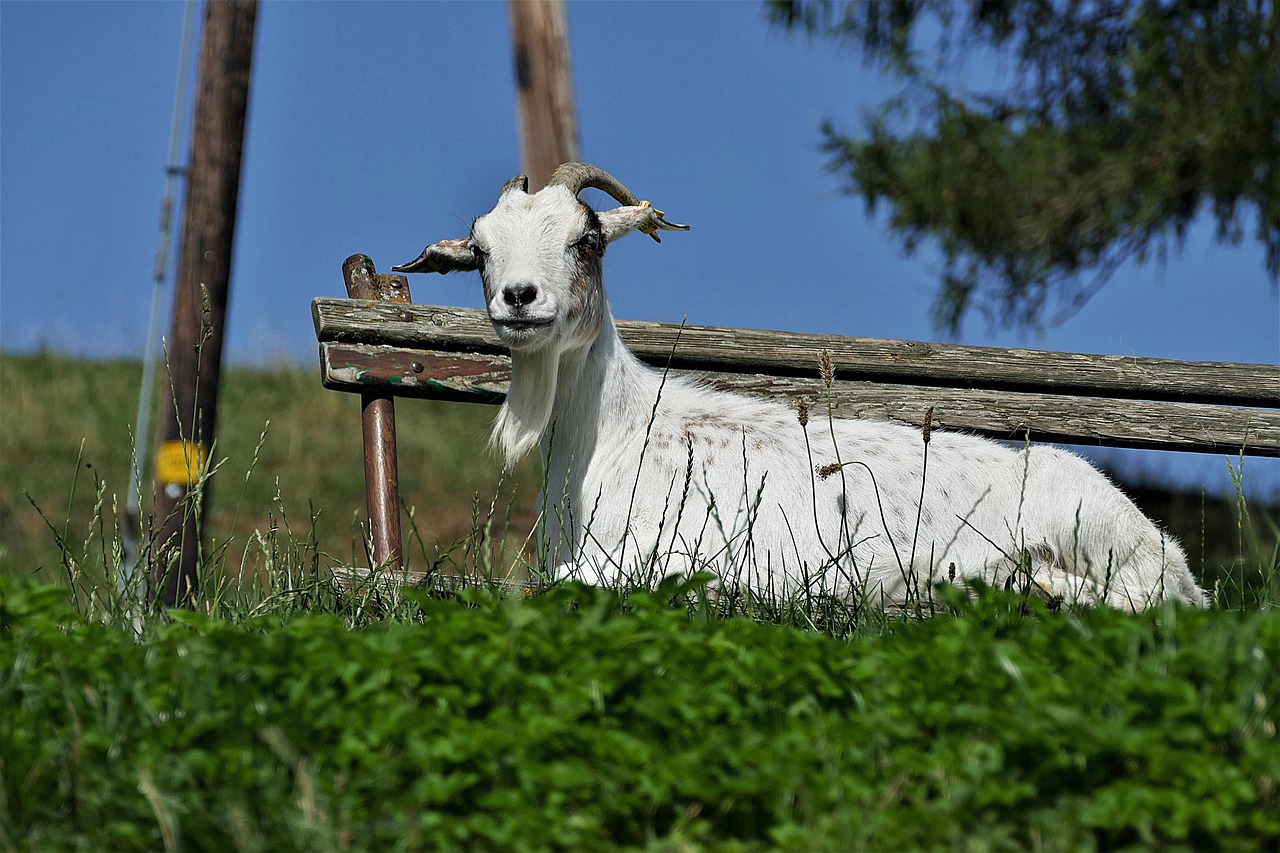
You don't have to drive far or order online and hope for the best. Bark & Bone carries a curated selection of pre-made raw and freeze-dried diets — complete and balanced formulas that take all the guesswork out of DIY raw. We stock multiple proteins, formats, and sizes so you can find what works for your dog's needs and your lifestyle.
We're located at 9860 N. Michigan Rd, Suite A, Carmel, IN 46032 — just a short drive from Westfield, Zionsville, Fishers, and Noblesville. Come in, ask questions, and let us help you find the right starting point.
Come talk to us. We're not here to pressure you — we're here to help you make the best possible decision for your dog. Stop by Bark & Bone in Carmel and we'll walk you through our raw selection, answer your questions, and send you home with a plan that fits your dog and your life.
